Showing posts with label Inside and out 2020. Show all posts
Showing posts with label Inside and out 2020. Show all posts
Friday, 7 August 2020

Tuesday, 4 August 2020

Friday, 31 July 2020
Characters In Coraline!
Tuesday, 28 July 2020
Creating the illusion of the other mother!
Workshop 5 - creating characters!
1.
Physical - Soft/Round edges, Looks like real mother, Normal Height
Costume - Basic (no patterns), Bagy loose clothing, Covers most of her body.
Colour lighting - Warm, artificial light, dull, Colour palette - orange
2.
Physical - Sharper edges, the head gets pointer, the nose gets bigger, apron
Costume - Patterns on the outfit, blacks/reds, Loose baggy clothing gives the idea of softness.
Colour/Lighting - Warm, Artificial, Oranges yellow.
3.
Physical - Weight shifts to hips/bum - accents the battle shape, Pointy nose, Back of head, and elbows are sharper.
Costume - Patterns, Polkadots, Black white and red, fits her figure better, layering of the battle shell on the back, More skin showing.
Colour/lighting - Bright, Vibrant, Cold, Artificial, Brown/peachy colours.
4.
Physical - Stick figure - Lost all fat, Taller, long neck, Sharpened- Hair, Back of head, arms, elbows, back of the dress.
Costume - Pattern - Black white red, shows more skin, more fitting/tight, Beatle shape on the back.
Colour/Lighting - Bright, warm, Artificial, oranges
5.
Physical - Spiderlike, needles, no skin, no fat, no nose, sharp and pointy,
Costume - Tatted rags, barley any fabric
Colour/Lighting - Green+Black, cold light, artificial, unnatural,
1.
Physical - Soft/Round edges, Looks like real mother, Normal Height
Costume - Basic (no patterns), Bagy loose clothing, Covers most of her body.
Colour lighting - Warm, artificial light, dull, Colour palette - orange
2.
Physical - Sharper edges, the head gets pointer, the nose gets bigger, apron
Costume - Patterns on the outfit, blacks/reds, Loose baggy clothing gives the idea of softness.
Colour/Lighting - Warm, Artificial, Oranges yellow.
3.
Physical - Weight shifts to hips/bum - accents the battle shape, Pointy nose, Back of head, and elbows are sharper.
Costume - Patterns, Polkadots, Black white and red, fits her figure better, layering of the battle shell on the back, More skin showing.
Colour/lighting - Bright, Vibrant, Cold, Artificial, Brown/peachy colours.
4.
Physical - Stick figure - Lost all fat, Taller, long neck, Sharpened- Hair, Back of head, arms, elbows, back of the dress.
Costume - Pattern - Black white red, shows more skin, more fitting/tight, Beatle shape on the back.
Colour/Lighting - Bright, warm, Artificial, oranges
5.
Physical - Spiderlike, needles, no skin, no fat, no nose, sharp and pointy,
Costume - Tatted rags, barley any fabric
Colour/Lighting - Green+Black, cold light, artificial, unnatural,
Tuesday, 21 July 2020
Music In Films!
MUSIC -
Diegetic Sound - Sounds that are added to the scene eg, Music.
Non- Diegetic Sound - Sounds that are natural and don't need to be added to a scene eg, Footsteps.
Chords - (First thing you check)
Major - Written in a major key has a happy uplifting tone
Minor - Written in a minor key has a sad gloomy tone.
Tempo - (speed)
Fast - Could walk quickly too, makes the music feel energetic, gives movement/pace
Moderate - Mix of both
Slow - More of a slow dragging feet pace, makes the music feel lethargic, boring, energy lacking
Dynamics - ( Volume )
Loud ( Forte ) - Draws the viewers attention, enhances the emotion,
Quiet ( piano ) - Either background music or used to make the viewer focus
Changing - (Quiet to loud ) - Builds intensity. ( Loud to Quiet ) - Draws Focus.
MR TAYLORS VIDEO -
Song 1 -
Happy, upbeat, energetic, Joyful ( FAST TEMPO ) - Has more major chords
Song 2 -
Slow, Sad, Upset, Lonely, Tired, somber ( SLOW TEMPO ) - Has more minor chords
CORALINE OPENING SCENE MUSIC -
Changing ( Loud to quiet ) Draws focus and the creature building the doll.
Minor key - has a sad vibe, feels creepy, uncomfortable
Moderate Tempo - Feels edgy, Walking pace, gives energy
MOUSE CIRCUS -
Minor key - Makes it feel off/uncomfortable, is very upbeat and energetic.
Fast tempo - Energetic, Want to move energy, make the circus feel fun and lively.
Dynamics - Loud - makes the viewer feel hyped up, energetic, welcomed.
Diegetic Sound - Sounds that are added to the scene eg, Music.
Non- Diegetic Sound - Sounds that are natural and don't need to be added to a scene eg, Footsteps.
Chords - (First thing you check)
Major - Written in a major key has a happy uplifting tone
Minor - Written in a minor key has a sad gloomy tone.
Tempo - (speed)
Fast - Could walk quickly too, makes the music feel energetic, gives movement/pace
Moderate - Mix of both
Slow - More of a slow dragging feet pace, makes the music feel lethargic, boring, energy lacking
Dynamics - ( Volume )
Loud ( Forte ) - Draws the viewers attention, enhances the emotion,
Quiet ( piano ) - Either background music or used to make the viewer focus
Changing - (Quiet to loud ) - Builds intensity. ( Loud to Quiet ) - Draws Focus.
MR TAYLORS VIDEO -
Song 1 -
Happy, upbeat, energetic, Joyful ( FAST TEMPO ) - Has more major chords
Song 2 -
Slow, Sad, Upset, Lonely, Tired, somber ( SLOW TEMPO ) - Has more minor chords
CORALINE OPENING SCENE MUSIC -
Changing ( Loud to quiet ) Draws focus and the creature building the doll.
Minor key - has a sad vibe, feels creepy, uncomfortable
Moderate Tempo - Feels edgy, Walking pace, gives energy
MOUSE CIRCUS -
Minor key - Makes it feel off/uncomfortable, is very upbeat and energetic.
Fast tempo - Energetic, Want to move energy, make the circus feel fun and lively.
Dynamics - Loud - makes the viewer feel hyped up, energetic, welcomed.
Tuesday, 30 June 2020
Lighting and colouring in coraline!
Atmosphere - Feel in a space/energy around you.
Mood - How you feel.
Location - Place, something that is happening.
Lighting -
Natural = Light that comes from nature ( Eg, Sun, Moon, Stars, Lightning, Fire)
Artificial = Man-Made light source ( Eg Light bulbs )
Warm light - Yellow/ Orange Tone
Cold light - Blue/ white tone (Clean/Clinical)
Bright - Fills the space so there are no shadows.
Dull - Fills part of the space. (faded)
Colour -
Colour pallet = what are the predominant colors used. (What colours are most used)
Warm - Makes you feel, Warm, welcomed, Cozy, Happy, Friendly, Safe.
Cold - Makes you feel, Sad, Depressed, Uncomfortable, Lonely, Chilly ( Clean + Clinical )
Brainstorm - Lighting / Colour
What is happening? - Coraline is having breakfast with her real parents in the real kitchen. They look rushed and tired.
Describe -
Lighting -
Natural light from through the window, White tone making it look cold, Bright lighting - whole space is illuminated.
Colour -
White, yellowish, cream, old. Cold / Damp, Makes the space feel tired.
Effect on the viewer -
Boring, dull, miserable, Makes us understand they are not a happy family. Coraline was unhappy there.
Directors Purpose -
Made the real kitchen seem boring and dull to make the 'Other World' More appealing, shows us that Coraline doesn't like the dull boring 'real world.'
Other techniques - Angles/shots, Music, Costumes, Makeup, Setting,
Setting. - Outside the window, it's a cloudy miserable day, the kitchens looks old and run down, doesn't feel lived in ( Empty )
Brainstorm - lighting / colour.
What is happening?
Coraline and the other parents are eating dinner in the other kitchen, they all seem happy to be there and are interacting with each other.
Describe - Lighting
Artificial- ceiling light, Warm - yellow/orange tone, Dull - some spaces in the shot are dark.
Describe -Colour
Red, orange, white, black are the predominant colours. Warm - happy, safe, and welcoming.
Effect on viewer -
Compact/close, interesting, welcomed, safe, Coraline is happy to be there.
Directors purpose -
This shows the theme 'Looks can be deceiving' because the other family looks kind + happy but are actually cruel and evil.
Other techniques -
Costume - Looks formal, Fashionable, they fit better, make them look cleaner and tidier. Bright colors, Black, red, + white.
SEXXXY Paragraph -
In the real world kitchen scene, Lighting and colour are used effectively to show looks can be deceiving. We see this when Coraline is eating breakfast with her real parents. The room has natural lighting flowing through the window in the room, creating a bright light that is filling every corner of the room. The natural lighting has a white tone, making the room feel cold and miserable. The color of the room is white and grey making it look old and run down. This makes the audience understand that they are not a happy family and Coraline doesn't like it there. The director made the real kitchen seem old and boring to make the other world more appealing, this shows us that Coraline is unhappy in the dull real world. This also worked well with the setting as the cloudy grey sky outside the window and the old worn down kitchen adds to the cold and dull feeling. This can be juxtaposed to the scene in the other world, where Coraline is eating dinner with her other parents.
Mood - How you feel.
Location - Place, something that is happening.
Lighting -
Natural = Light that comes from nature ( Eg, Sun, Moon, Stars, Lightning, Fire)
Artificial = Man-Made light source ( Eg Light bulbs )
Warm light - Yellow/ Orange Tone
Cold light - Blue/ white tone (Clean/Clinical)
Bright - Fills the space so there are no shadows.
Dull - Fills part of the space. (faded)
Colour -
Colour pallet = what are the predominant colors used. (What colours are most used)
Warm - Makes you feel, Warm, welcomed, Cozy, Happy, Friendly, Safe.
Cold - Makes you feel, Sad, Depressed, Uncomfortable, Lonely, Chilly ( Clean + Clinical )
Brainstorm - Lighting / Colour
What is happening? - Coraline is having breakfast with her real parents in the real kitchen. They look rushed and tired.
Describe -
Lighting -
Natural light from through the window, White tone making it look cold, Bright lighting - whole space is illuminated.
Colour -
White, yellowish, cream, old. Cold / Damp, Makes the space feel tired.
Effect on the viewer -
Boring, dull, miserable, Makes us understand they are not a happy family. Coraline was unhappy there.
Directors Purpose -
Made the real kitchen seem boring and dull to make the 'Other World' More appealing, shows us that Coraline doesn't like the dull boring 'real world.'
Other techniques - Angles/shots, Music, Costumes, Makeup, Setting,
Setting. - Outside the window, it's a cloudy miserable day, the kitchens looks old and run down, doesn't feel lived in ( Empty )
Brainstorm - lighting / colour.
What is happening?
Coraline and the other parents are eating dinner in the other kitchen, they all seem happy to be there and are interacting with each other.
Describe - Lighting
Artificial- ceiling light, Warm - yellow/orange tone, Dull - some spaces in the shot are dark.
Describe -Colour
Red, orange, white, black are the predominant colours. Warm - happy, safe, and welcoming.
Effect on viewer -
Compact/close, interesting, welcomed, safe, Coraline is happy to be there.
Directors purpose -
This shows the theme 'Looks can be deceiving' because the other family looks kind + happy but are actually cruel and evil.
Other techniques -
Costume - Looks formal, Fashionable, they fit better, make them look cleaner and tidier. Bright colors, Black, red, + white.
SEXXXY Paragraph -
In the real world kitchen scene, Lighting and colour are used effectively to show looks can be deceiving. We see this when Coraline is eating breakfast with her real parents. The room has natural lighting flowing through the window in the room, creating a bright light that is filling every corner of the room. The natural lighting has a white tone, making the room feel cold and miserable. The color of the room is white and grey making it look old and run down. This makes the audience understand that they are not a happy family and Coraline doesn't like it there. The director made the real kitchen seem old and boring to make the other world more appealing, this shows us that Coraline is unhappy in the dull real world. This also worked well with the setting as the cloudy grey sky outside the window and the old worn down kitchen adds to the cold and dull feeling. This can be juxtaposed to the scene in the other world, where Coraline is eating dinner with her other parents.
Wednesday, 24 June 2020
HEART DISSECTION!
Yesterday's lesson was an exciting one as we got to dissect a pig's heart! There are different parts of the heart that we have been researching about, The atrium which is the upper chamber of the heart that receives blood, The ventricles which are the bottom parts of the heart which pump the blood out of the heart, The Aorta is the largest artery and takes the blood away from the heart and around the body, The vena cava is a large vein that takes deoxygenated blood that has traveled all around the body to the heart, The valve's job is to stop the backflow of the blood, the valves are attached by the heartstrings wich help the valve's stop the backflow of the blood. To start the dissection we first cut open the right side of the heart which revealed the valves, heartstrings, Arteries, And veins! After that it was kinda a free for all, my group ended up tearing the pig's heart in half to get a better look at what was inside. Our materials only consisted of tweezers, Scalpel, and dissection scissors. The heart is one of the most important organs in your body, its job is to pump the blood around your body and into your lungs to dispose of carbon dioxide and gather oxygen. Without a heart, we wouldn't be able to survive as we wouldn't get the energy and nutrients that we get from the blood that flows around our bodies. Overall this was really fun and interesting to understand how our own bodies survive!
Here are some photos of our class attempting to dissect a heart!


Here are some photos of our class attempting to dissect a heart!


Tuesday, 23 June 2020
Linking themes!
Workshop 2! - Linking themes to the impact of angles, Movement, and shots.
BrainStorm -
What's happening? - The "Other Wybie" is standing on the stairs leading up to the house. The Other mother asks him to smile from the doorway, instead, the other wybie pulls a long face. The other wybie is slouching over and making himself smaller -Less of a target- Shoulders down wich shoulders hunched over making him look weak and variable
Angles/Shot -
High angle - Makes wybie look overpowered, small, weak, and vulnerable.
Point of view - Makes the other mother seem stronger, bigger, and more dominant.
Viewer - Makes viewers feel sorry / Scared for the other wybie.
Director- Foreshadowing (Hinting at what's coming) That the other mother is evil and controlling.
Other techniques - Lighting - Spotlight on wybie - Like he's on the spot/Under focus. Dark around him creating a creepy atmosphere.
SEXXY Paragraph -
In the scene with the other mother and the other wybie we see high angle shots used to show the theme 'Looks can be deceiving.' We see this when the other mother asks the other wybie to smile, in turn, he hunches over and pulls a long face. This makes the audience feel sorry for the other wybie because he looks scared. The use of a high angle shot from the other mothers' perspective adds to this feeling as it makes the other wybie seem weak and vulnerable. The director did this to foreshadow that the other mother isn't as wonderful as she seems, instead she is evil and controlling. Coinciding with this is the use of lighting. A spotlight is focused on the other wybie to emphasize the fact that he is under the gaze of the other mother. This reminds the viewers of early in the film where a low angle shot was used to make wybie seem big and scary but really he was just an ordinary kid. This links to the theme because it also shows a moment when the look of a character was deceiving.
Friday, 19 June 2020
Coraline! Film notes
Coraline film studies
Opening scene -
Music -
Slow, Humming, Creepy vibe, Repetitive, Minor Tone, Sad tone, Lullaby, Childish, Made-up language.
Camera shots -
High angles (The subject looks Weak and vulnerable), Close up, Point of view, Extreme Closeup (Focusing your attention on what it’s showing)
Lighting/Colours -
Green, Dark, Old/Vintage color, Shadowing, Cold lighting
Pink Palace scene-
Music -
(Beginning) Lullaby, Dramatic, Gentle, Enchanting, Major tone, Sweet, Soft singing,
(Second) Mysterious, Suspenseful, Creepy, Alerting, Dramatic, Chasing music, Fast, High tension, minor tone, Sary singing,
Camera shots -
Establishing shot (long wide shot) Point of view shot, Long shot, Over the shoulder shot, Medium long shot, Dutch tilt, High angle, low angle, Birdseye, Transition tilt
Lighting/Colours -
Cold Lighting, Dull colors, Natural Lighting, Dark, Flashing,
Coraline -
Sassy, Moody, Curious, Imaginative, Mean, Ungrateful,
Outfit- bright Yellow raincoat, Short blue hair, Dragonfly hairpin
Inside the house scene-
Dull, Dark, Boring, Empty, Rustic, Frosty/Cold, Boring.
Real parents -
Harsh, Bland, Boring, Tired, Depressed, Neglectful, Busy
Mother - Passive Aggressive, Annoyed, Tired
Father - Kind, nice
The other world -
Music -
Creepy, Minor tone (warning), Sounds like a music box, Slow tempo
Lighting + Colouring-
Vibrant, Warm, Welcoming, Bright, Tidy (settled in), The house is clean.
Other Parents -
Energetic, Happy, Healthy, Selfless, Clean & tidy

Wednesday, 17 June 2020
Arthritis!
Today while we were waiting to look at the joints in a cow and pig leg we skimmed over the topic of arthritis. For this task, we had to create a slide show explaining what arthritis is, how arthritis forms, and what different types of arthritis there are. Did you know that there are over 100 different forms of arthritis? I decided to complete this task with a classmate as I didn't have much time to complete this, but it was cool to see what their style is in creating a post! Here is my slideshow!
Tuesday, 16 June 2020
Coraline (Themes and ideas)
THEMES AND IDEAS - continuous idea/ subject that links throughout the film/text.
LOOKS CAN BE DECEIVING - "Don't judge a book by its cover" Don't judge by appearance
EXAMPLE 1 - Character of wybie - When the character is introduced he seems dark and scary (Mask + Motorbike) The scene of which he is introduced is shot as a high angle to make him look bigger and more of a predator, Add the loud music creates tension. But in reality, he is just a weird neighbor.
This example shows the theme because like the other characters, our first impressions of the character are based on their appearance, tone, and visual techniques yet they aren't always correct.
This is important because it helps the audience understand with Coraline that just because something looks good doesn't mean it is. She should choose the real world over the other world.
EXAMPLE 2 - Character of the "Other Mother" - In the beginning, the other mother seems normal and friendly but by the end of the film she transforms into a would devouring spider demon.
This shows the theme because the other mother isn't the friendly person she appears to be at the beginning of the film, so we shouldn't judge by their first impressions.
This is again important because Coraline realizes that having something that looks perfect isn't always a good thing.
S- Statement
In Coraline, the theme 'Looks Can be deceiving' is used effectively to engage the audience.
E- Evidence
For instance, the character of the "Other Mother" shows us that she looks can be deceiving by starting off as a friendly, kind mother figure but by the end, she has gradually transformed into a soul-devouring spider demon.
X- Explanation
This makes the audience understand that we shouldn't judge a character by appearances and first impressions, as they can often be incorrect.
X- Explanation
The director did this to enhance the plot and storyline and help Coraline decide between the real world and the fake world. If the other mother was perfect it would have changed corallines' decision in going back to the real world.
X- Explanation
Combined with this is the use of color and lighting. The "Other mother" first appears in a vibrantly bright room that makes us feel welcomed, warm, and safe. However, by the end, it has become dark and green which makes the audience feel scared and shows that her first look was deceiving.
Y- Your link
This can be just apposed to the character of wybie who we think at first ks evil and scary but is actually kind, Proving that looks can be deciving.
LOOKS CAN BE DECEIVING - "Don't judge a book by its cover" Don't judge by appearance
EXAMPLE 1 - Character of wybie - When the character is introduced he seems dark and scary (Mask + Motorbike) The scene of which he is introduced is shot as a high angle to make him look bigger and more of a predator, Add the loud music creates tension. But in reality, he is just a weird neighbor.
This example shows the theme because like the other characters, our first impressions of the character are based on their appearance, tone, and visual techniques yet they aren't always correct.
This is important because it helps the audience understand with Coraline that just because something looks good doesn't mean it is. She should choose the real world over the other world.
EXAMPLE 2 - Character of the "Other Mother" - In the beginning, the other mother seems normal and friendly but by the end of the film she transforms into a would devouring spider demon.
This shows the theme because the other mother isn't the friendly person she appears to be at the beginning of the film, so we shouldn't judge by their first impressions.
This is again important because Coraline realizes that having something that looks perfect isn't always a good thing.
S- Statement
In Coraline, the theme 'Looks Can be deceiving' is used effectively to engage the audience.
E- Evidence
For instance, the character of the "Other Mother" shows us that she looks can be deceiving by starting off as a friendly, kind mother figure but by the end, she has gradually transformed into a soul-devouring spider demon.
X- Explanation
This makes the audience understand that we shouldn't judge a character by appearances and first impressions, as they can often be incorrect.
X- Explanation
The director did this to enhance the plot and storyline and help Coraline decide between the real world and the fake world. If the other mother was perfect it would have changed corallines' decision in going back to the real world.
X- Explanation
Combined with this is the use of color and lighting. The "Other mother" first appears in a vibrantly bright room that makes us feel welcomed, warm, and safe. However, by the end, it has become dark and green which makes the audience feel scared and shows that her first look was deceiving.
Y- Your link
This can be just apposed to the character of wybie who we think at first ks evil and scary but is actually kind, Proving that looks can be deciving.
Tuesday, 9 June 2020
Coraline!
Today in our hurumanu we spend the past 2hrs watching the movie Coraline. Coraline is an awesome and creative movie, yet also very creepy. The first time we watch it through is just to watch the movie, the next time watch the movie we are going to be looking at the shots, angles, themes, ideas, and how the music affects the movie. Today while watching the movie we got to know the characters and plot, The movie is about a girl named Coraline who moves into the pink palace which is where the story takes place, Coraline soon finds a hidden door to a world where everything is perfect, and where Coraline meets her other mother and other father. Coraline soon finds that the world is not as it seems. For our first task, we have to name five plot points and 5 characters from the film.
Plot points-
1 Moving to the house
2 Meeting her other parents
3 Meeting the other people staying at the pink palace
4 Negotiating a game with her mother
5 The other mother taking Coraline's real parents
Characters-
1 Wybie
2 Coraline Jones
3 Cat
4 Mr. Bobinsky
5 Miss Spink + Miss Forcible
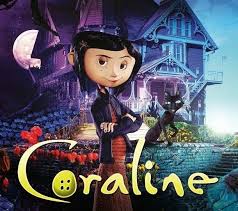
Plot points-
1 Moving to the house
2 Meeting her other parents
3 Meeting the other people staying at the pink palace
4 Negotiating a game with her mother
5 The other mother taking Coraline's real parents
Characters-
1 Wybie
2 Coraline Jones
3 Cat
4 Mr. Bobinsky
5 Miss Spink + Miss Forcible
Wednesday, 3 June 2020
How does a hand function?
For the past two hours in hurumanu 2, we have been learning about the muscles in the body and how they work. We were also learning about how that hand functions. There is a total of 19 main bones in each of your hands. There are three in each of the fingers apart from the thumb which has 2 and then 5 bones in the palm of your hand that lead up to each of the fingers. The purpose of the bones in your fingers is to provide structure and support. Joints are where two bones meet, the purpose of a joint is to create flexibility and allow movement between bones. Ligaments are what attach the bones together and they allow restricted movement. Did you know that there are NO muscles in our fingers! there are only muscles in our forearm and palm. Tendons play an important role in the movement of your hand, they are the strings that attach muscle to bone. We have five long tendons that run from the tips of our fingers down to the muscles in our palm and forearm. The muscles that are attached to our phalanges by the tendons move our fingers by contracting and relaxing. As the muscle contracts, it pulls down on the tendon making your fingers curl down and bend.
For our hands-on activity (pun intended) we created a paper version to further understand how our hands work. The materials used were 5 pieces of around 30cm thread, I piece of paper, a pen, 2 straws, scissors, a needle, and tape! To make the hand you first have to cut out the hand shape that you can either print out of trace (either is fine) After cutting out the hand you need to cut the straws into 3 small pieces for each of the fingers and two for the thumb, Then 3 long pieces to connect the fingers to the bottom of the main sheath, then cut 1 piece for the sheath. Then stick on all of the straw pieces on with tape and be careful not to squish the straws too much. Then take your five pieces of thread and tape the ends onto the back of the fingers and put the thread through the needle. Then take your needle and thread it through the straws on each of the fingers. After threading the string through each of the fingers there should be five pieces of thread sticking out from the bottom, if you have five then you are finished! Now if you pull on each of the strings you will find that the fingers curl inwards just like a real hand!
Tuesday, 26 May 2020
Camera shots, Angles, and movements
What am I learning? I am learning to define the language of film using visual and sound techniques.
How does this work show my learning? This work shows my learning by listing all the shots I have learned the definition of and shows that I have learned some camera shots, camera angles, and camera movements. What am I wondering as a result of this learning? This learning has left me wondering what other shots are used to make films and why they would choose to use them.
Language of film, Camera Shots, Angles, and movement.
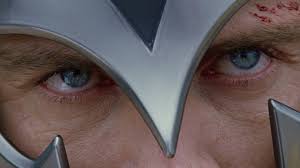
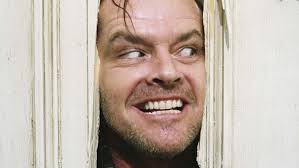
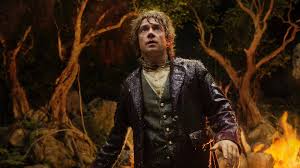
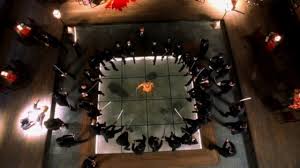
Extreme Close-up, Close-Up, Medium Close-Up, Medium Shot, Medium Long Shot, Long (wide) Shot, Extreme Long-Shot, Low Angle, High Angle, Eye Level, Birds Eye View, Dutch Tilt, Pan, Tilt, Tracking, Point of View, Over the shoulder, Mise En Scene

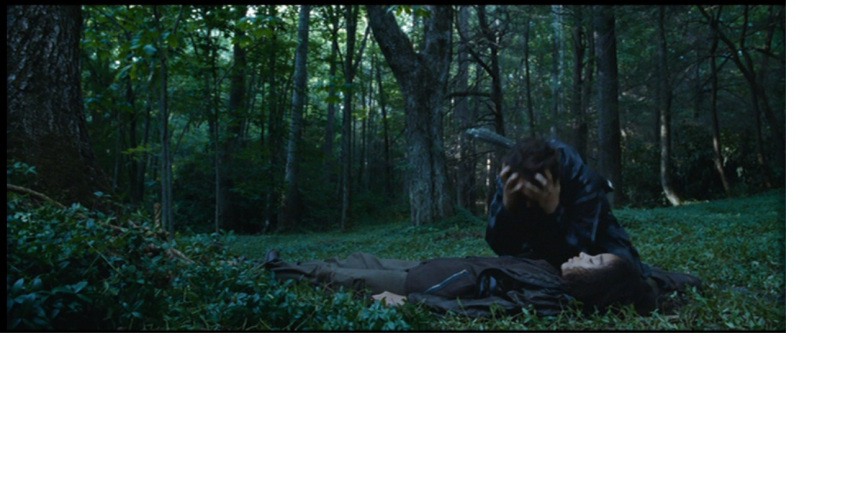


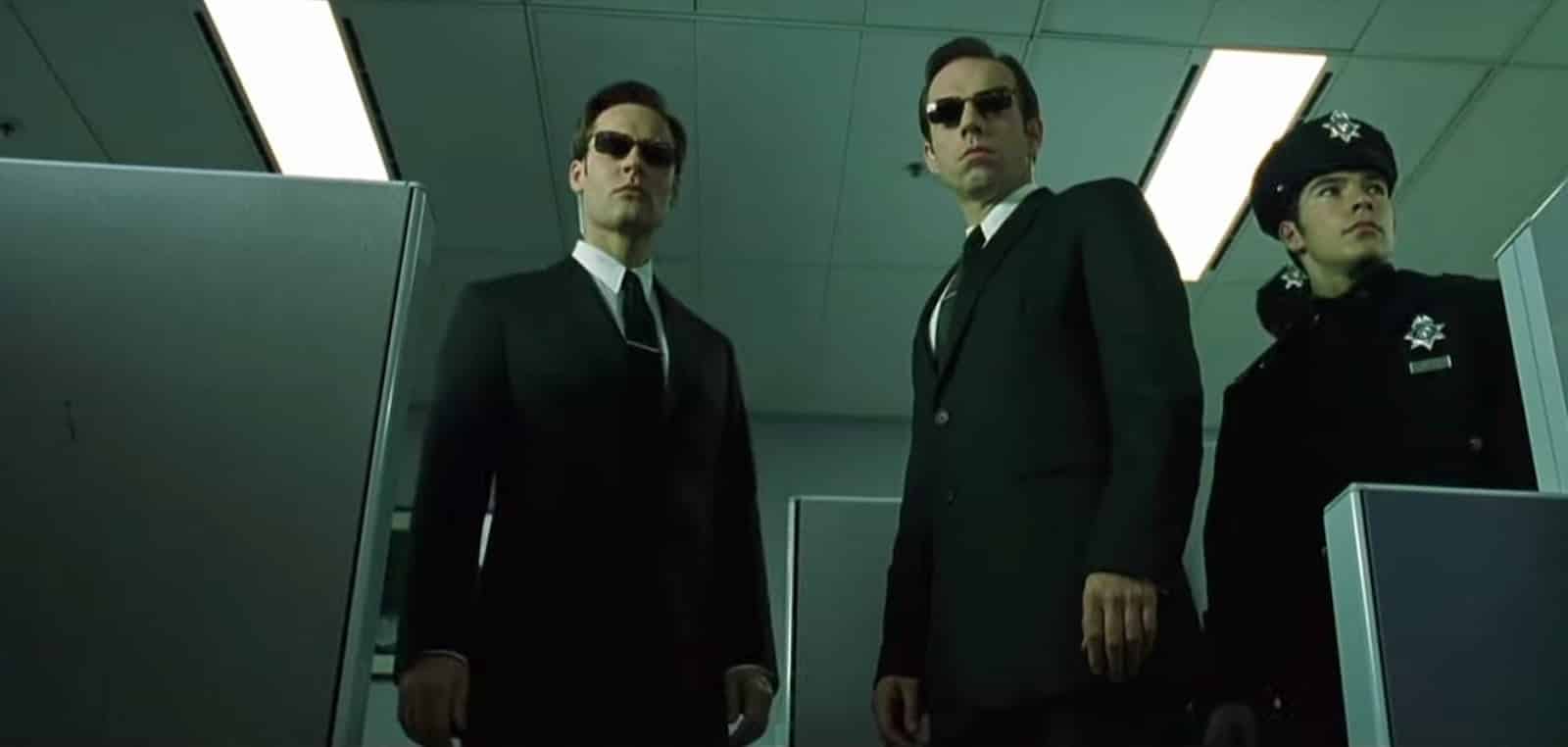



Friday, 22 May 2020
Language of film dictionary!
What am I learning? During this hurumanu, I am currently learning to define the language of film using visual and sound techniques. How does this work show my learning? This work shows my learning by displaying what I have researched and learned about the definitions of each of these words. What am I wondering as a result of this learning? Something that this activity has left me wondering is if there is any more words that I could add to my dictionar
Language Of Film Dictionary!
Body Language- Body language is a type of nonverbal communication, in which physical
behavior is used to express information and emotions.
Hairstyles- Hairstyles in films can reflect on the character’s personal appearance and personality.
Costume- Costumes are used in films to create a story or a background for a character. It can also show off their personality and style. For example in pirates of the Caribbean Captain jack sparrows costume shows that he is a pirate and is not well kept so it says that he is a scavenger and gets into a lot of trouble.
Makeup- Makeup is used in films to change an actor’s facial features and give the characters a more distinctive look.
Colour- Colour is used in films to set the mood of a film. For example, red is used to denote passion, danger, or power.
Lighting- Lighting creates an atmosphere and a sense of meaning for the audience. Lighting also tells the audience where to look.
Props- Props help enhance the performance and make the scene look more authentic and it helps the actors get into character and can create more of a story. For example in harry potter the wands give more of a story as the wand is part of the deathly hallows and harry and Voldemorts wands are connected.
Settings- The setting is the time and place of the story. The setting helps tell the story and can change throughout the movie.
Dialogue- Dialogue it the script of what each character is saying throughout the film. The dialogue helps give the audience a feel of who the character is and helps move the plot along.
Sound effects- Soundeffects are where you create an artificial wound to enhance the sounds that are created in the film.
Music- Music in film is played over a scene to make it more dramatic and give the audience a sense of what is happening or what’s going to happen.
Silence- Silence is a gap in a scene where there is no music playing over the top of the scene. This is used to create an intense emotional tone.
Symbols- Symbols are something that can pop up several times during a film that can represent something else entirely which could add to the plot.
Special FX- Special effects are illusions or visual tricks to create imaginative events in a story or virtual world.
Subscribe to:
Posts (Atom)